guide
The Ultimate Mexico World Cup 2026 Travel Guide
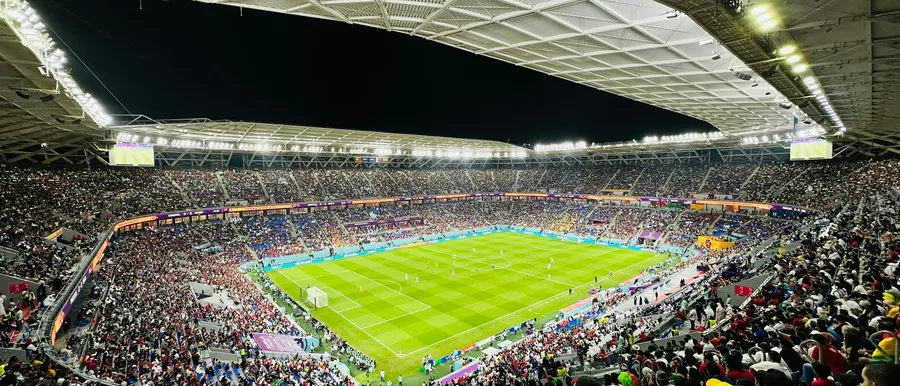
Photo by Vishal Butolia on Unsplash
The Ultimate Mexico World Cup 2026 Travel Guide
The 2026 FIFA World Cup is the biggest sporting event ever held — 48 teams, 104 matches, three countries. And Mexico is at the heart of it. With 13 matches across three cities, Mexico offers the most concentrated World Cup experience outside of the US. Whether you’re following your national team or just chasing the best atmosphere, this guide covers everything you need to plan your trip.
Mexico has hosted the World Cup twice before (1970 and 1986) and knows how to throw a football party. The infrastructure is in place, the culture is electric, and the food alone is worth the trip. But 2026 will be different from anything Mexico has hosted before — bigger crowds, more security, new technology, and a FIFA FAN ID system that changes how you access matches.
This is your complete planning resource. Bookmark it.
Quick Summary
- Dates: June 11 – July 5, 2026 (Mexico-hosted matches; tournament runs through July 19)
- Host cities: Mexico City, Guadalajara, Monterrey
- Stadiums: Estadio Azteca (CDMX), Estadio Akron (GDL), Estadio BBVA (MTY)
- Total matches in Mexico: 13 (group stage + Round of 32 + one quarterfinal)
- Visa: Most nationalities visa-free for up to 180 days
- Currency: Mexican Peso (MXN) — roughly $1 USD = 17–20 MXN
- Language: Spanish (English widely understood in tourist areas)
- Best time to book: Now — hotels and flights will only get more expensive
The Three Host Cities
Mexico’s three host cities are spread across the country, each offering a completely different experience. Understanding the differences will help you decide where to base yourself — or whether to do a multi-city trip.
Mexico City (Ciudad de México / CDMX)
Stadium: Estadio Azteca (capacity 87,523) Matches: 5 group stage + Round of 32 + quarterfinal = 7 total Altitude: 2,240m (7,350 ft)
Mexico City is the crown jewel of this World Cup. The Estadio Azteca is the only stadium in the world to have hosted two World Cup finals (1970 and 1986), and it will host the opening match of the Mexico group stage plus a quarterfinal. With 7 matches, CDMX has the most action of any Mexican host city.
Beyond football, CDMX is a world-class destination. The historic center holds Aztec ruins next to colonial cathedrals. Neighborhoods like Roma, Condesa, and Coyoacán are packed with restaurants, cafés, and galleries. The street food is legendary — tacos al pastor from a corner stand can rival anything from a Michelin-starred restaurant.
Best for: First-time visitors, culture lovers, foodies, fans wanting the most matches in one city.
Read our complete Mexico City World Cup guide →
Guadalajara
Stadium: Estadio Akron (capacity 49,850) Matches: 4 group stage + Round of 32 = 5 total Altitude: 1,566m (5,138 ft)
Guadalajara is the cultural capital of Mexico. This is where mariachi was born, where tequila comes from, and where the food scene rivals CDMX without the overwhelming scale. The Estadio Akron (also known as the Chivas stadium) is a modern, architecturally stunning venue in the western suburbs.
The city itself is walkable and welcoming. The historic center features grand plazas and Baroque architecture. The nearby town of Tlaquepaque is famous for artisan crafts. And Tequila — yes, the actual town — is just an hour away for a day trip through agave fields.
Best for: Fans who want authentic Mexican culture, tequila lovers, travelers who prefer a more relaxed pace.
Read our complete Guadalajara World Cup guide →
Monterrey
Stadium: Estadio BBVA (capacity 53,500) Matches: 3 group stage + Round of 32 = 4 total Altitude: 540m (1,772 ft)
Monterrey is Mexico’s industrial powerhouse, but don’t let that fool you — it’s also one of the country’s most dynamic cities. Surrounded by dramatic mountains (the Cerro de la Silla is iconic), Monterrey offers outdoor adventure alongside a booming food and craft beer scene. The Estadio BBVA is one of the most modern stadiums in the Americas, with a striking angular design.
Monterrey is the closest host city to the US border, making it especially accessible for fans driving from Texas. The weather will be hot in June-July (expect 35°C+ / 95°F+), so plan accordingly.
Best for: Outdoor enthusiasts, craft beer fans, road trippers from Texas, fans wanting fewer crowds.
Read our complete Monterrey World Cup guide →
Getting to Mexico
Flights
All three host cities have international airports with direct flights from major cities worldwide:
- Mexico City (MEX) — Benito Juárez International Airport. The largest hub, with direct flights from virtually everywhere. Also served by the new Felipe Ángeles Airport (NLU) north of the city.
- Guadalajara (GDL) — Miguel Hidalgo y Costilla International Airport. Direct flights from US cities (LAX, SFO, DFW, ORD, JFK), plus connections from Europe.
- Monterrey (MTY) — General Mariano Escobedo International Airport. Excellent connections from Texas (Houston, Dallas, San Antonio) and other US cities.
Booking tips:
- Book as early as possible — prices are already climbing for June 2026
- Use flight comparison tools to set price alerts
- Consider flying into one city and out of another if you’re doing a multi-city trip (open-jaw tickets)
- Budget airlines Volaris and VivaAerobus offer cheap domestic flights between host cities (1–2 hours, often under $50 USD one-way)
- Premium bus lines (ETN, Primera Plus) are a comfortable alternative between Guadalajara and Mexico City (6–7 hours, ~$40 USD)
Driving from the US
Monterrey is approximately 3 hours from the Laredo, TX border crossing. If you’re driving:
- You’ll need Mexican auto insurance (your US policy doesn’t cover Mexico)
- Get a Temporary Vehicle Import Permit (TIP) online before you go
- The toll highway (autopista) from Laredo to Monterrey is modern and well-maintained
- Budget roughly $30–40 USD in tolls each way
Where to Stay
Accommodation will be the biggest challenge for World Cup visitors. Hotels in host cities are already raising prices for June-July 2026. Here’s how to approach it:
Mexico City
- Polanco — Upscale neighborhood near Chapultepec Park. Luxury hotels, high-end restaurants, safe. 45 min to Estadio Azteca.
- Roma / Condesa — Trendy, walkable neighborhoods with boutique hotels and the best food scene. 30–40 min to the stadium.
- Centro Histórico — Budget-friendly, near the Zócalo and major sights. Can be busy and loud. 30 min to the stadium.
- Coyoacán — Charming, quieter neighborhood (Frida Kahlo Museum is here). Closest to Estadio Azteca (15–20 min).
Guadalajara
- Chapultepec / Providencia — Modern, safe, full of restaurants and nightlife. 30 min to Estadio Akron.
- Centro Histórico — Colonial architecture, plazas, budget options. 25 min to the stadium.
- Zapopan — Suburban, closer to the stadium (15 min). Fewer restaurants but more affordable.
Monterrey
- San Pedro Garza García — Monterrey’s wealthiest suburb. Safe, modern, great dining. 20 min to Estadio BBVA.
- Centro — Downtown Monterrey. Budget-friendly, walkable to Barrio Antiguo. 15 min to the stadium.
- Valle Oriente — Business district with modern hotels. 15 min to the stadium.
Booking tips:
- Book now, even if refundable — prices will only increase
- Consider Airbnb or vacation rentals for groups (split costs across 4+ people)
- Look at neighborhoods slightly outside the center for better value
- Many hotels require minimum stays during the World Cup period
Tickets & FIFA FAN ID
How to Buy Tickets
FIFA controls all official ticket sales through FIFA.com. Tickets are sold in phases:
- First-come, first-served sales — Periodic windows throughout 2025-2026
- Last-minute sales — Closer to the tournament
- Resale platform — FIFA’s official resale marketplace for ticket holders who can’t attend
Prices range from approximately:
- Group stage: $30–$210 USD (Category 3 to Category 1)
- Round of 32: $50–$300 USD
- Quarterfinals: $100–$400 USD
FIFA FAN ID
New for 2026: FIFA requires all match attendees to have a FIFA FAN ID. This digital pass:
- Is mandatory for stadium entry (alongside your match ticket)
- Grants free or discounted public transport on match days in host cities
- Provides access to official FIFA Fan Zones
- Must be registered at FIFA.com after purchasing tickets
Do not skip this step. No FAN ID = no entry, regardless of your ticket.
Safety & Health
Is Mexico Safe for the World Cup?
Yes, with common-sense precautions. The three host cities are major metropolitan areas with millions of residents and established tourist infrastructure. During the World Cup, security will be significantly heightened with federal police, military, and FIFA security coordinating together.
Practical safety tips:
- Use Uber/DiDi (Mexico’s rideshare app) instead of hailing street taxis
- Keep valuables out of sight — use a money belt or front pockets in crowded areas
- Stay in well-lit, populated areas at night
- Avoid displaying expensive jewelry or electronics
- Download offline maps (Google Maps works great in Mexico)
- The emergency number is 911 (same as the US)
Health Considerations
- Altitude in Mexico City: At 2,240m, you may feel breathless or headachy for the first 1–2 days. Hydrate aggressively, avoid heavy drinking on arrival, and take it easy the first day.
- Water: Do not drink tap water. Stick to bottled water (agua embotellada). Ice in restaurants is almost always made from purified water and is safe.
- Food safety: Street food is generally safe — follow the crowds. Busy stalls with high turnover = fresh food.
- Sun: June-July is summer. Use sunscreen (SPF 50+), wear a hat, and stay hydrated — especially in Monterrey where temperatures exceed 35°C (95°F).
- Travel insurance: Strongly recommended. Medical care in Mexico is affordable compared to the US, but emergency evacuations are expensive.
Money & Budget
Currency
Mexico uses the Mexican Peso (MXN). As of early 2026:
- $1 USD ≈ 17–20 MXN
- €1 EUR ≈ 18–22 MXN
- £1 GBP ≈ 21–25 MXN
How to Pay
- Credit cards are widely accepted in restaurants, hotels, and shops in tourist areas. Visa and Mastercard work everywhere. Amex is less common.
- Cash is essential for street food, markets, small shops, and tips. Always carry at least 500–1,000 MXN.
- ATMs: Use ATMs from major banks (BBVA, Banorte, Citibanamex, Santander). Avoid standalone ATMs in convenience stores. Your bank may charge foreign transaction fees — check before you go.
- Exchange houses (casas de cambio): Available at airports and city centers. Airport rates are worse. Better to withdraw from ATMs.
Daily Budget Estimates
| Category | Budget | Mid-range | Luxury |
|---|---|---|---|
| Accommodation | $20–40 USD | $60–120 USD | $200+ USD |
| Meals | $10–20 USD | $25–50 USD | $80+ USD |
| Transport | $5–10 USD | $15–30 USD | $40+ USD |
| Daily total | $35–70 USD | $100–200 USD | $320+ USD |
Mexico is one of the most affordable World Cup destinations in recent history. Even mid-range travelers can have an incredible experience.
Connectivity & Phones
Your phone is your most important tool in Mexico. You’ll need it for maps, rideshare apps, translation, and match-day information.
eSIM (Recommended)
The easiest option: buy an eSIM before you leave home. No SIM swap needed — just activate it when you land.
- Most plans offer 5–10 GB of data for $10–25 USD for 2–4 weeks
- Works on any eSIM-compatible phone (iPhone XS and later, most modern Androids)
- Activates instantly — you’ll have data the moment you turn off airplane mode
Local SIM
If your phone isn’t eSIM-compatible:
- Buy a Telcel or AT&T Mexico SIM at any OXXO convenience store (there’s one on every block)
- Prepaid plans with 5 GB data cost around 200–300 MXN ($12–18 USD)
- Bring your passport — they may ask for ID
Free Wi-Fi
- Most hotels, restaurants, and cafés offer free Wi-Fi
- Mexico City has free public Wi-Fi in many plazas and parks
- Stadium Wi-Fi will be available but likely slow during matches
Getting Around
Between Cities
- Flights: Volaris and VivaAerobus offer budget domestic flights (1–2 hours). Book early for best prices.
- Buses: ETN and Primera Plus operate luxury coaches with reclining seats, Wi-Fi, and onboard bathrooms. Mexico City → Guadalajara is ~6 hours, ~$40 USD.
- Rental cars: Not recommended for city driving (traffic and parking are nightmares), but useful for day trips.
Within Cities
- Uber/DiDi: Available in all three cities. Cheap, safe, and the best option for most trips. A 20-minute ride costs $3–6 USD.
- Metro (Mexico City): The CDMX metro is extensive, cheap (5 MXN / $0.30 per ride), and efficient. It gets extremely crowded during rush hour. The metro line to Estadio Azteca is Line 2 (Taxqueña direction, stop at Tasqueña then transfer).
- Metrobús (Mexico City): Bus rapid transit with dedicated lanes. Faster than regular traffic. Buy a rechargeable card at any station.
- Walking: Mexico City’s Roma/Condesa, Guadalajara’s Centro, and Monterrey’s Barrio Antiguo are all very walkable.
Food & Drink Essentials
You cannot visit Mexico and not eat well. Here’s your cheat sheet:
Must-Try Foods
- Tacos al pastor — Pork marinated in achiote and pineapple, cooked on a vertical spit. The national obsession.
- Birria — Slow-braised beef or goat stew. Guadalajara’s signature dish. Try birria tacos dipped in consomé.
- Cabrito — Slow-roasted young goat. Monterrey’s specialty.
- Mole — Rich sauce made from chiles, chocolate, and spices. Mexico City and Oaxaca are the capitals.
- Elote & esquites — Grilled corn on the cob or in a cup, with mayo, chile, lime, and cheese.
- Churros — Fried dough dusted with cinnamon sugar, often filled with cajeta (caramel) or chocolate.
Drinks
- Mezcal — Smoky agave spirit. Oaxacan mezcal is the gold standard, but every region has its own.
- Tequila — Jalisco’s pride. Visit a distillery if you’re in Guadalajara.
- Michelada — Beer with lime, tomato juice, hot sauce, and salt. The perfect match-day drink.
- Agua fresca — Fresh fruit water (horchata, jamaica, tamarindo). Available at every street cart.
- Mexican craft beer — Monterrey’s scene is booming. Look for local breweries.
Match-Day Tips
Before the Match
- Arrive early. FIFA recommends arriving 3+ hours before kickoff for World Cup matches. Security screening takes time.
- Bring your FIFA FAN ID. Physical or digital — you cannot enter without it.
- Wear sunscreen. Day matches in open-air stadiums in June = serious sun exposure.
- Eat before you go. Stadium food is overpriced and limited. Grab tacos from a street vendor near the stadium.
- Cash is king at vendors around the stadium.
At the Stadium
- No outside food or drinks allowed.
- Clear bag policy — FIFA enforces strict bag size limits. Check FIFA.com for the latest rules.
- No drones, professional cameras, or selfie sticks.
- Mobile payments are accepted at most stadium vendors.
After the Match
- Plan your exit route before the match starts. 80,000+ fans leaving at once means gridlock.
- Use rideshare pickup points rather than trying to get an Uber from the stadium gates.
- Public transport will be extended on match nights. The metro/metrobús will run later than usual.
Practical Info Box
| Item | Details |
|---|---|
| Language | Spanish. English is understood in tourist areas, hotels, and airports. Learn basic phrases — locals appreciate the effort. |
| Electricity | 127V, 60Hz. US/Canadian plugs (Type A/B) work. European/UK visitors need an adapter. |
| Time zones | Mexico City & Guadalajara: CDT (UTC-5). Monterrey: CDT (UTC-5). Same as US Central Time. |
| Tipping | 10–15% at restaurants (check if included). 10–20 MXN for bag handlers, valets. Round up for taxi/Uber. |
| Emergency | 911 (police, fire, ambulance). Tourist police helpline: 078. |
| Pharmacies | Farmacias del Ahorro and Farmacias Similares are on every block. Many medications available without prescription. |
Frequently Asked Questions
Do I need a visa to visit Mexico for the World Cup?
Citizens of the US, Canada, EU, UK, Japan, South Korea, Australia, New Zealand, and 60+ other countries can enter Mexico visa-free for up to 180 days. If you hold a valid US, Canadian, UK, Japanese, or Schengen visa, you can also enter visa-free regardless of nationality. Check Mexico’s INM website for your specific country.
How far in advance should I book flights and hotels?
Now. Seriously. World Cup prices are already inflating for June-July 2026. Flights and hotels in host cities will only get more expensive as the tournament approaches. Book refundable options now and adjust later if needed.
Can I attend matches in multiple cities?
Absolutely — and we recommend it. Domestic flights between host cities take 1–2 hours and can cost under $50 USD on budget airlines. Mexico City → Guadalajara is also doable by luxury bus (6 hours). Check our multi-city itinerary guide for detailed plans.
Is it safe to walk around at night?
In tourist areas and popular neighborhoods (Roma, Condesa, Polanco in CDMX; Chapultepec in GDL; San Pedro in MTY), yes. Use the same common sense you’d use in any major city. Stick to well-lit streets, use rideshare apps rather than walking long distances late at night, and avoid isolated areas.
What should I pack?
Light, breathable clothing (it’s summer). Comfortable walking shoes. Sunscreen and a hat. A light rain jacket (June is rainy season). A portable charger for your phone. And a sense of adventure.
How do I get from the airport to my hotel?
In all three cities, the safest options are:
- Authorized airport taxis — buy a fixed-rate ticket at a booth inside arrivals
- Uber/DiDi — pick up from designated rideshare areas outside the terminal
- Hotel shuttle — many hotels offer free or paid airport transfers
Avoid accepting rides from people approaching you inside the terminal.
Related Guides
- Mexico City World Cup Guide — Neighborhoods, food, transport, and stadium info
- Guadalajara World Cup Guide — Tequila tours, culture, and match-day logistics
- Monterrey World Cup Guide — Mountains, craft beer, and Estadio BBVA
- World Cup 2026 Mexico Match Schedule — All 13 fixtures with dates and times
- Mexico Travel Tips — Visas, safety, currency, and essential phrases
We may earn a commission from purchases made through affiliate links in this article. This helps us keep mexi.co free and up-to-date. We only recommend products and services we genuinely believe will improve your World Cup experience.