
food
Mexico World Cup Food Guide: What to Eat in Every Host City
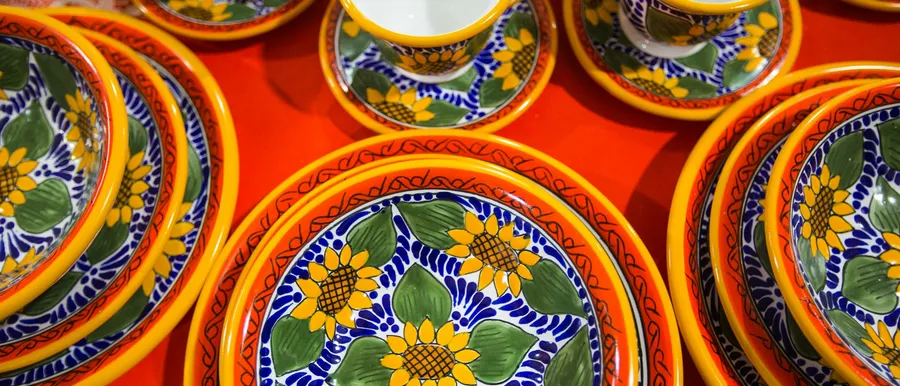
Photo by Daniel Lloyd Blunk-Fernández on Unsplash
Mexico World Cup Food Guide: What to Eat in Every Host City
Mexican food is a UNESCO-recognized cultural heritage — and the World Cup is your excuse to eat through three of the country’s greatest food cities. Each host city has its own culinary identity: Mexico City is the street food capital of the world, Guadalajara invented birria and tortas ahogadas, and Monterrey is where meat is grilled like nowhere else.
This isn’t a general “Mexican food” guide. This is specifically what to eat, where to find it, and what to order in each World Cup host city.
Mexico City: Street Food Capital of the World
CDMX has more food options per square meter than almost any city on earth. The street food alone could keep you busy for months.
The Essential Street Foods
Tacos al pastor — The king of CDMX tacos. Pork marinated in achiote and spices, cooked on a vertical spit (trompo), sliced to order with pineapple, onion, and cilantro. Cost: 15-25 MXN ($1-1.50) per taco.
How to find the best: Look for a visible trompo spinning at a street stand. If there’s a line, that’s a good sign. Late night (10 PM – 2 AM) is prime al pastor time.
Tlacoyos — Thick, oval blue-corn masa cakes stuffed with beans or requesón, topped with nopales, salsa, and cream. Pre-Hispanic origin, still everywhere. Find them at any market.
Quesadillas — In CDMX, a quesadilla does NOT automatically include cheese (yes, this is controversial). Order “con queso” if you want cheese. Fill with huitlacoche (corn truffle), flor de calabaza (squash blossom), or chicharrón prensado.
Tamales — Steamed corn masa with mole, rajas (peppers + cream), or sweet fillings. Paired with atole (thick, warm corn drink). The classic CDMX breakfast, sold from carts starting at 6 AM.
Elote & esquites — Grilled corn on the cob (elote) or in a cup (esquites) with mayo, chili powder, lime, and cotija cheese. Available everywhere from street carts.
Best Markets
- Mercado de San Juan — The gourmet market. Exotic proteins, imported cheeses, outstanding prepared food stalls.
- Mercado de Coyoacán — Local market near Frida Kahlo’s house. Famous tostadas and fresh juices.
- Mercado de la Merced — The largest traditional market in the Americas. Overwhelming and authentic.
Restaurants Not to Miss
- Pujol (Polanco) — World’s 50 Best. Mole madre (aged 2,500+ days). Book 2-3 weeks ahead.
- Contramar (Roma) — Best seafood in the city. The red-and-green grilled fish is iconic. Go at opening for lunch.
- El Vilsito — Mechanic shop by day, legendary taco stand by night (9 PM+). Suadero, longaniza, campechanos. Cash only.
- Máximo Bistrot (Roma) — Market-driven, seasonal. Outstanding value.
- Taquería Orinoco (Roma) — Al pastor with cheese crust (costra). Cult following.
Guadalajara: Birria, Tortas & Tequila
Guadalajara’s food is bold, generous, and deeply rooted in Jalisco tradition.
The Signature Dishes
Birria — Slow-braised goat or beef in a chile-spiked consomé. This is Guadalajara’s dish. Eat it as:
- Birria en caldo — stew with handmade tortillas on the side
- Tacos de birria — tortillas dipped in red fat, griddled crispy, filled with meat
- Quesabirria — birria tacos with melted cheese. Dip in consomé.
Best birria: Birriería Las 9 Esquinas (since the 1950s), Karne Garibaldi (world’s fastest service — 13 seconds), Birriería El Chololo.
Tortas ahogadas — A crusty birote roll stuffed with carnitas, then “drowned” in spicy tomato-chile salsa. Messy, glorious, uniquely GDL. Eat standing at a street stall. Cost: 40-70 MXN ($2.50-4).
Carne en su jugo — Beef simmered in its own juices with beans, bacon, and cilantro. Hearty and perfect before a match.
Tejuino — Cold fermented corn drink with lime sorbet on top. The ultimate GDL refresher. 20-30 MXN from street vendors.
Best Markets
- Mercado San Juan de Dios (Libertad) — One of Latin America’s largest covered markets. The food floor is a must.
- Mercado del Baratillo — Massive Sunday flea market with incredible street food.
Restaurants
- Alcalde (Americana) — World’s 50 Best Discovery. Hyper-local Jalisco ingredients. Chef Paco Ruano.
- La Tequila (Centro) — 400+ tequila labels plus excellent traditional cuisine.
- Hueso (Americana) — Bone-white interior, creative Mexican food.
Tequila
You’re in Jalisco — tequila country. Every bar stocks dozens of labels. Key terms:
- Blanco — unaged, pure agave flavor
- Reposado — aged 2-12 months, smoother
- Añejo — aged 1-3 years, complex
- Extra añejo — 3+ years, sipping tequila
Don’t: Shoot good tequila. Do: Sip it neat, like whisky. Order a “caballito” (small glass) and savor it.
Monterrey: Fire, Meat & Flour Tortillas
Monterrey’s cuisine is fundamentally different from central and southern Mexico. This is cowboy country — the food is built on open fire, premium beef, and flour tortillas instead of corn.
The Signature Dishes
Cabrito — Whole baby goat slow-roasted on a spit over mesquite wood. Monterrey’s most iconic dish. The skin is crackling, the meat is tender and gamey.
Where to eat it: El Rey del Cabrito (Centro) — whole goats roasting at the entrance. El Gran Pastor — another institution.
Carne asada — Thin cuts of beef grilled over mesquite charcoal, served on large, buttery flour tortillas with guacamole, pico de gallo, grilled cebollitas (spring onions), and salsa roja. This is what weekends revolve around in Monterrey.
Machacado con huevo — Dried beef scrambled with eggs, tomatoes, onions, and chiles. THE Monterrey breakfast. Available at any local restaurant. Order with flour tortillas and refried beans.
Frijoles charros / borrachos — Soupy pinto beans with bacon, chorizo, beer (“borrachos” = drunk), and cilantro. The essential side dish at every carne asada.
Flour tortillas — Freshly made, large, buttery. Everything in Monterrey goes on a flour tortilla. They’re superior to anything you’ve had outside Mexico.
Craft Beer
Monterrey is the birthplace of Mexican beer AND has the country’s best craft scene:
- Cervecería Fauna — Top craft brewery. Must-visit taproom.
- Sierra Madre Brewing Co. (San Pedro) — Great brewpub.
- Almacén 42 (Barrio Antiguo) — Rotating craft taps.
Eating Rules for World Cup Visitors
- Street food is safe. Follow the crowds. Busy stalls = fresh food = safe food.
- Don’t drink tap water. Bottled only. Ice in restaurants is purified and safe.
- Eat where locals eat. If the menu is in English with photos, it’s a tourist trap.
- Cash for street food. Most stands don’t take cards. Carry small bills (20-50 MXN).
- Lime on everything. Squeeze lime on your tacos. It’s not optional.
- Use the salsas. Green (verde) = usually mild-medium. Red (roja) = medium to scorching. Ask “¿pica mucho?” before drowning your food.
- Comida corrida for value. Daily set lunch at local restaurants: soup + rice + main dish + drink for 70-100 MXN ($4-6).
- Eat before the match. Stadium food is expensive and bland. Fuel up at street stands near the venue.
- Late-night tacos exist. The best taco stands open at 9-10 PM and run until 2-3 AM.
- Tip 10-15%. At sit-down restaurants. Street food stands don’t expect tips.
Essential Spanish for Ordering Food
| English | Spanish | Pronunciation |
|---|---|---|
| I want / I’ll have | Quiero | KYEH-roh |
| How much? | ¿Cuánto cuesta? | KWAN-toh KWES-tah |
| The check, please | La cuenta, por favor | Lah KWEN-tah por fah-VOR |
| With cheese | Con queso | Kon KEH-soh |
| Without spice | Sin picante | Seen pee-KAN-teh |
| Is it very spicy? | ¿Pica mucho? | PEE-kah MOO-choh |
| Delicious! | ¡Qué rico! | Keh REE-koh |
| Another one | Otro/otra | OH-troh |
| Beer | Cerveza | Sehr-VEH-sah |
| Water | Agua | AH-gwah |
Frequently Asked Questions
Will I get sick from street food?
Unlikely if you follow the crowds and eat at busy stalls. The biggest risk is tap water (avoid it) and fruit washed in tap water (eat at reputable stands). Millions of Mexicans eat street food daily — the turnover keeps it fresh and safe.
I’m vegetarian — will I struggle?
In restaurants, no — CDMX especially has great vegetarian options. At street stalls, it’s harder but not impossible. Quesadillas with huitlacoche or flor de calabaza, tlacoyos with beans, esquites, tamales de rajas are all meat-free. Just ask “¿tiene algo sin carne?” (do you have anything without meat?).
What’s the best food city of the three?
Mexico City wins on variety and sheer volume. Guadalajara wins on traditional Jalisco cuisine (birria, tortas). Monterrey wins on meat and craft beer. You can’t go wrong with any of them.
Related Guides
- The Ultimate Fan Taco Trail
- Mexico City World Cup 2026 Guide
- Guadalajara World Cup 2026 Guide
- Monterrey World Cup 2026 Guide
We may earn a commission from purchases made through affiliate links in this article.