guide
Getting Around Mexico During the World Cup: Metro, Uber, Buses & Flights Between Host Cities
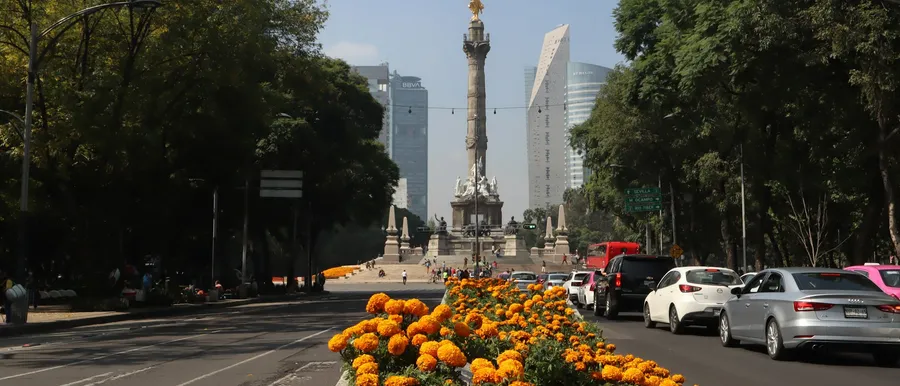
Photo by Edgar Soto on Unsplash
Getting Around Mexico During the World Cup
Mexico’s three host cities are spread across the country — Mexico City in the center, Guadalajara to the west, Monterrey to the north. Getting between them and moving around within each city requires a plan. The good news: Mexico has excellent domestic transport that’s affordable and efficient. Here’s everything you need to know.
Between Cities: Flights, Buses & Driving
Domestic Flights
The fastest way between host cities. Flight times:
| Route | Time | Airlines | Approx. Cost |
|---|---|---|---|
| CDMX → Guadalajara | 1h 10m | Volaris, VivaAerobus, Aeroméxico | $30-80 USD |
| CDMX → Monterrey | 1h 30m | Volaris, VivaAerobus, Aeroméxico | $35-90 USD |
| Guadalajara → Monterrey | 1h 40m | Volaris, VivaAerobus | $40-100 USD |
Tips:
- Volaris and VivaAerobus are budget airlines — fares are cheap but charge extra for bags and seat selection
- Aeroméxico includes bags and is more comfortable, but costs 2-3x more
- Book 2-4 weeks ahead for best prices. Day-of flights during the World Cup will be expensive.
- All flights use MEX (Mexico City), GDL (Guadalajara), or MTY (Monterrey) airports
Premium Buses
Mexico’s luxury bus system is outstanding — think business-class seats with Wi-Fi, power outlets, and onboard restrooms. Significantly cheaper than flying.
| Route | Time | Companies | Approx. Cost |
|---|---|---|---|
| CDMX → Guadalajara | 6-7 hours | ETN, Primera Plus | $35-50 USD |
| CDMX → Monterrey | 10-12 hours | ETN, Omnibús de México | $50-70 USD |
| Guadalajara → Monterrey | 9-10 hours | Omnibús de México, Futura | $45-60 USD |
Tips:
- ETN (Enlaces Terrestres Nacionales) is the gold standard — wide leather seats, personal entertainment, complimentary snacks
- Primera Plus is a close second, slightly cheaper
- Bus terminals: CDMX uses Terminal Norte (northbound) and Terminal Poniente (westbound to GDL)
- Book at the bus terminal or online via the company’s website
- Night buses save a hotel night — depart at 11 PM, arrive by 6 AM
Driving
Not recommended between cities during the World Cup unless you’re coming from the US to Monterrey:
- Laredo, TX → Monterrey: 3 hours via toll highway. You’ll need Mexican auto insurance and a Temporary Vehicle Import Permit (TIP).
- Within cities: Traffic is brutal. Parking near stadiums will be impossible. Use public transport or rideshare.
Getting Around Mexico City
CDMX is massive (21+ million people) but has excellent public transport.
Metro
- Cost: 5 MXN ($0.30) per ride — one of the cheapest metro systems in the world
- Hours: 5 AM – midnight (6 AM – midnight on Sundays)
- Lines: 12 lines covering most of the city
- Key station for matches: Estadio Azteca (Line 12)
- Buy: A rechargeable card at any station (avoids queuing for single tickets)
Match-day note: Expect free or discounted Metro service with your FIFA FAN ID. Line 12 to Estadio Azteca will be the busiest line on match days — arrive early.
Rush hour warning: 7-10 AM and 5-8 PM are extremely crowded. Women and children have dedicated cars during peak times.
Metrobús
- Cost: 7 MXN ($0.40) per ride
- Bus rapid transit on dedicated lanes — faster than regular traffic
- Line 1 runs down Avenida Insurgentes (the longest avenue in the city)
- Useful for reaching areas the Metro doesn’t cover well
Uber & DiDi
- Cost: $3-8 USD for most rides
- Available everywhere, 24/7
- DiDi (Chinese rideshare app) often has lower prices than Uber in Mexico
- Download both apps before you arrive
- Rideshare is the safest and most convenient option for getting back from matches at night
Ecobici (Bike Share)
- Cost: ~$5 USD per day
- 6,000+ bikes across 480 stations in central neighborhoods
- Great for short rides in flat areas (Condesa, Roma, Polanco)
- Register online or at any station with a credit card
Walking
Condesa, Roma, Centro Histórico, and Polanco are very walkable. Sidewalks can be uneven — wear comfortable shoes. Mexico City is at altitude (2,240m), so you’ll tire faster than expected in the first 1-2 days.
Getting Around Guadalajara
Guadalajara is smaller and easier to navigate than CDMX.
Mi Macro (Light Rail & BRT)
- Cost: 9.50 MXN per ride
- Line 1 and Line 2 cover the main corridors
- Mi Macro Periférico is a BRT system circling the city
- Useful for reaching the areas around Estadio Akron
Uber & DiDi
- Cost: $2-6 USD for most rides
- The best option for getting to/from Estadio Akron (no direct rail connection)
- Widely available throughout the city
Walking
The Centro Histórico and Chapultepec/Providencia neighborhoods are very walkable. The Andador Chapultepec (pedestrian street) is great for bar-hopping on foot.
Taxis
Numbered Sitio taxis (from taxi stands) are safe. Avoid unmarked street taxis. Or just use Uber/DiDi.
Getting Around Monterrey
Monterrey is car-centric but manageable for visitors.
Metrorrey (Metro)
- Cost: 6.40 MXN per ride
- 2 lines serving the main north-south and east-west corridors
- Not as extensive as CDMX’s metro, but useful for Centro and the main transit hubs
Ecovía (BRT)
- Bus rapid transit connecting key corridors
- Useful for reaching areas the Metro doesn’t serve
Uber & DiDi
- Cost: $2-5 USD for most rides
- The most practical option for getting to Estadio BBVA
- Monterrey is more spread out than the other two cities — rideshare is essential
Walking
Barrio Antiguo (the nightlife district) and Macroplaza area are walkable. Beyond that, the city sprawls — you’ll need transport.
Match-Day Transport Tips
- Don’t drive to the stadium. Road closures and zero parking make it impossible.
- Public transport is free/discounted with FIFA FAN ID on match days (details TBD by each city).
- Leave 3 hours before kickoff. Transport will be packed and slower than usual.
- Set up Uber AND DiDi before match day. Compare prices — surge pricing will hit hard after matches.
- Know your exit route before the match starts. Designate a rideshare pickup point away from the stadium (the main gates will be chaos).
- Carry cash for taxis and street vendors near stadiums — card machines may not work in the chaos.
- Download offline maps in Google Maps for each host city. Cell networks get overloaded near stadiums.
Useful Apps to Download
| App | What For |
|---|---|
| Uber | Rideshare in all 3 cities |
| DiDi | Rideshare (often cheaper than Uber) |
| Google Maps | Transit routing, offline maps |
| Metro CDMX | Mexico City Metro route planner |
| FIFA App | FAN ID, match info, stadium maps |
Frequently Asked Questions
What’s the best way to get between Mexico City and Guadalajara?
Fly. It’s 1 hour 10 minutes and can cost as little as $30 USD on Volaris. The bus takes 6-7 hours but is comfortable if you prefer to save money or take a night bus.
Is Uber safe in Mexico?
Yes. Uber and DiDi are widely used, regulated, and considered safe in all three host cities. The app tracks your route and provides driver information. It’s the recommended option over street taxis.
Do I need a car in Mexico?
No. Public transport and rideshare are sufficient for all three host cities. A car is only useful for day trips outside the cities (e.g., Tequila from Guadalajara, Teotihuacán from CDMX).
Related Guides
- The Ultimate Mexico World Cup 2026 Travel Guide
- Mexico City World Cup 2026: Complete Guide
- World Cup 2026 Match Schedule
We may earn a commission from purchases made through affiliate links in this article.